Founder & Leader Designer
iOS + Andriod (React Native)
Platform.
$8,000 CAD - Sustainability Act
Funding.

Wally is an AI-powered mobile app that helps users sort and dispose of waste correctly through real-time image scanning and localized disposal guidance.
Wally combines environmental education and AI in one app. Users can scan a single item or multiple items, get instant disposal instructions, track their environmental impact, and find local drop-off sites — all in seconds.
Wally is designed to remove the guesswork, educate the user, and turn every disposal decision into a step toward a cleaner world with confidence.

The Problem
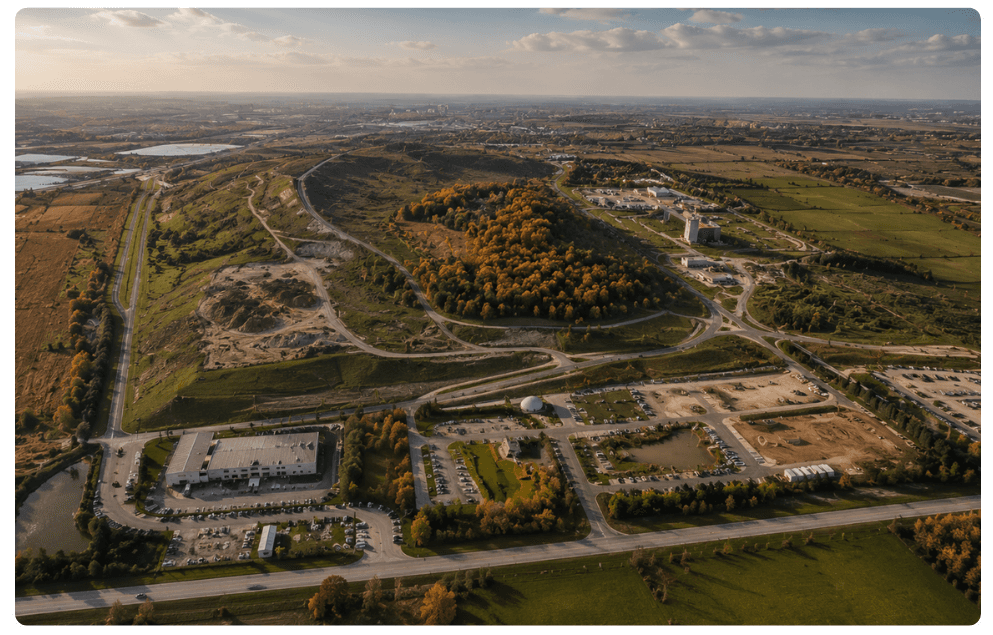
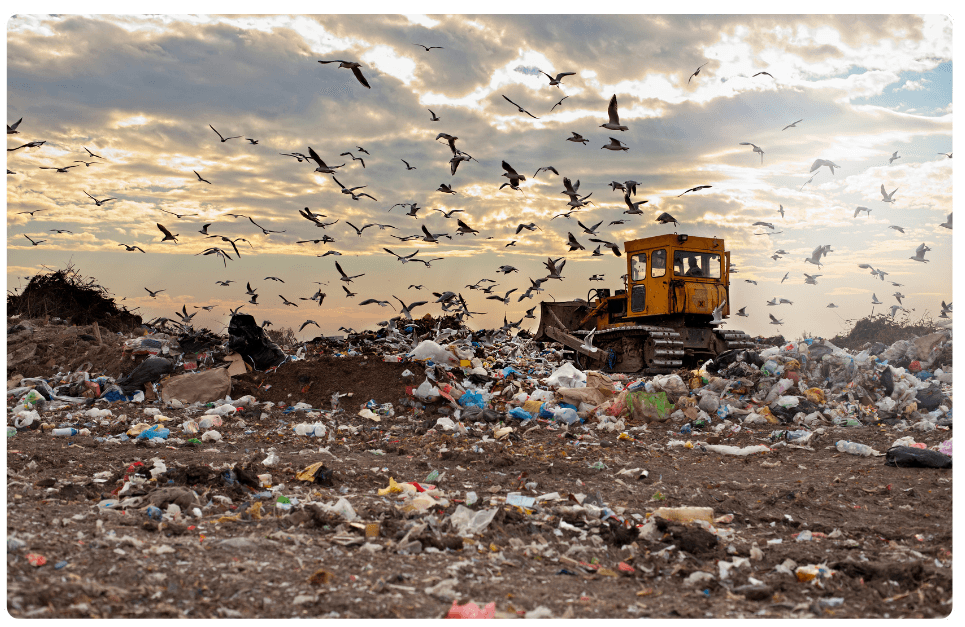
Canada generates approximately 36 tonnes of waste per person per year — one of the highest rates globally — yet only about 9% of plastics are properly recycled. The issue isn't a lack of infrastructure. It's a lack of clarity. Waste sorting regulations vary not only between provinces, but between neighbourhoods within the same city. At the Waterloo landfill, I witnessed over 300 acres of garbage generated by a single mid-sized city, much of it contaminated recyclables that could have been diverted. If even one item is sorted incorrectly, the entire bin is flagged as contaminated and sent to landfill.
The existing tools on the market were either overly simplified, not localized to Canadian waste guidelines, or focused on gamification without addressing the real barrier: users genuinely do not know which bin to use.
THE GOAL
Real-time, AI-powered item identification with zero friction
Localized disposal guidance mapped to municipal waste databases
Educational content that builds long-term behaviour change
Accessible design for diverse user groups across Canada and Mexico
WHAT I BUILT
Wally (originally ecoscan) uses a two-tier AI framework. The first layer is a lightweight pre-trained image recognition model capable of detecting multiple objects in a single scan. The second is a custom model trained on nearly 20GB of real-world waste images, built specifically to align with the University of Waterloo's waste guidelines. Together, they identify exactly what an object is — whether a glass bottle, aluminum foil, or ceramic cup — and map it to the correct waste stream.
MVP KEY FEATURES BUILT
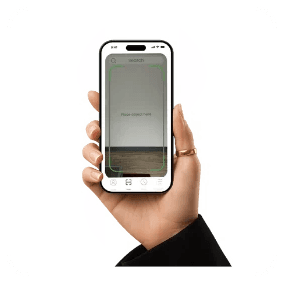
AI Scanning
instantly identifies single or multiple items and recommends the correct disposal stream (garbage, recycling, compost, or drop-off)
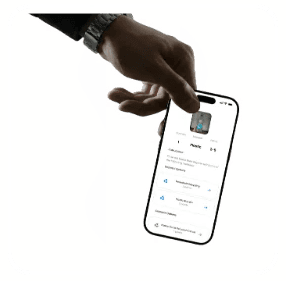
Location-Based Disposal Guidance
Suggests verified drop-off sites in the Kitchener-Waterloo region for specialty items like e-waste and batteries
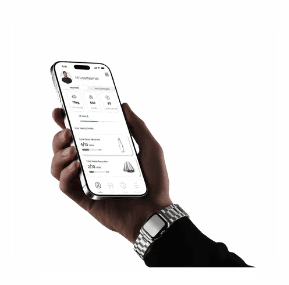
Impact Tracking
Tracks items scanned and estimated waste diverted, with visual dashboards to encourage habit-building
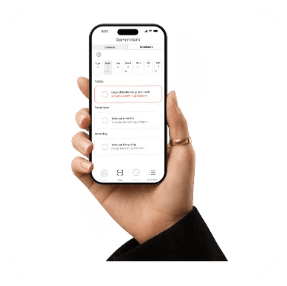
Reminders & Scheduling
Push notifications for curbside pickup or drop-off dates based on regional waste schedules
RESEARCH & PROCESS
I completed an independent study on the waste management crisis in Waterloo Region during my final year of undergrad. I toured the Waterloo landfill and conducted user research with Waterloo students to understand confusion patterns and disposal habits. I built the MVP in collaboration with the GreenHouse Incubator and conducted a pilot at the University of Waterloo campus, iterating on design and AI accuracy through multiple testing rounds.
I also researched international applications, identifying that Mexico generates approximately 120,000 tonnes of solid waste per day with minimal recycling infrastructure — validating the global scalability of the product.
THE OUTCOME
Wally secured $8,000 CAD in grant funding from the Youth Climate Action Fund and the University of Waterloo Sustainability Action Fund — validating both the problem and the approach. The pilot at University of Waterloo confirmed strong user engagement and the AI model achieved high accuracy in identifying niche materials including specialty plastics and composite packaging.
Results
The experience also shaped how I think about product strategy: building at the intersection of real environmental urgency and everyday user behaviour requires both technical depth and a genuine understanding of how people make decisions under friction. Wally is currently being explored for expansion to city-level deployment across Canada.